
AAMI Standard ST-108 Training Course Online
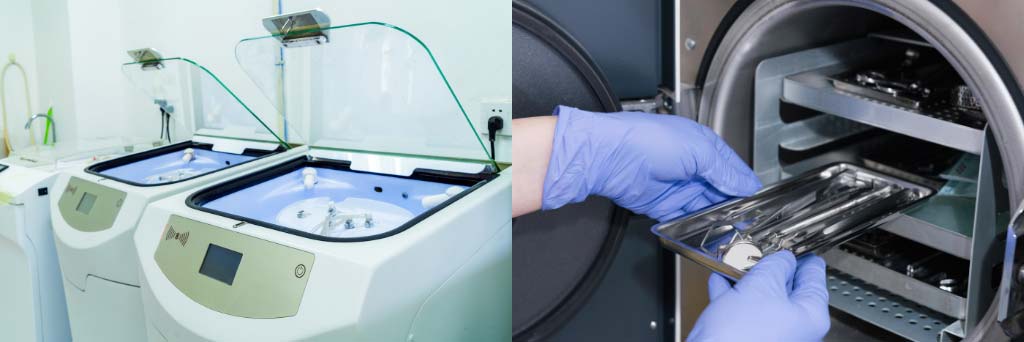
AAMI Standard ST108: Keys to Success in Water Quality Compliance
Approved for 2 Continuing Education (CE) hours by the Healthcare Sterile Processing Association (HSPA) and for 2 Contact Hours by the Certification Board for Sterile Processing and Distribution (CBSPD).
The course covers what hospitals and service providers need to know about AAMI Standard ST108 and keys to complying with it:
- Purpose and Scope of AAMI ST108
- Adoption of AAMI ST108
- Water Treatment Equipment for Device Processing
- Water Quality Requirements: Testing, Parameters, Limits, Challenges
- AAMI ST108 and Water Management Programs
- Keys to successful AAMI ST108 compliance
Enhance your credentials with knowledge to:
- State the general purpose and scope of AAMI ST108
- Identify the equipment typically used in treating water for device processing
- Learn what each equipment type does
- Know where problems can occur
- Understand the overall AAMI ST108 requirements for testing water quality
- Explain why certain water contaminants can hinder the effectiveness of reprocessing and sterilization
- Know why, according to AAMI ST108, sterile processing should be included in the facility’s ASHRAE 188 water management program (WMP), and how to add it
- List the primary roles and responsibilities of each WMP member
- State keys to success in complying with AAMI ST108
About the course instructor:
David Swiderski, currently Senior Technical Strategist with HC Info, has over 30 years’ experience in water and process fluid treatment. Previously, David held leadership positions at Osmonics/Suez, Pentair, Aquor, and Liquitech. David also led an office at the Water Council on the R&D floor for 4 years. David specialized in applications related to medical, pharmaceutical, beverage, and process fluids.
David served as the technical editor for the water technology journal Agualatinoamerica and frequently contributed to publications such as Water Technology, Water Conditioning and Purification, and several books published by Tall Oaks Publishing. David served as an instructor for courses on commercial and industrial water treatment at several Water Quality Association conferences, and he also presented on dialysis water at numerous nephrology conferences in Brazil and Mexico.
Who should take this course?
Anyone involved with medical device processing or compliance with AAMI ST108.
“I have worked in water treatment for 30 years, and in my experience, nothing is more invasive or risky than sterilization and process water quality. I have also had surgery and treatments for soccer injuries. Finally, AAMI ST108, the first national consensus standard, is tackling the issue that has probably led to many illnesses and post-procedure complications like sepsis over the years. Thanks to technology – tools like sensors, lab automation, and analytics software – water monitoring and alarms don’t have to be expensive or time-consuming. When a friend or family member is having surgery, my first concern will be whether the hospital or surgical center complies with AAMI ST108.”
David Swiderski
Senior Technical Strategist, HC Info
1000s of Professionals Have Trusted HC Info for Training
“HC Info’s LAMPS program is a great way for engineers to get a better understanding of how to mitigate Legionella growth in a plumbing system. The sessions had content that were good for entry level engineers all the way up to experienced engineers. I came away with a few different ideas of how I’d modify my design approach to further mitigate Legionella risk.”
“‘Water Temperatures and Legionella in Plumbing Systems’ [Course 301] is a must-view for facility managers.”
“[Courses 401-404] is exactly what is needed. I will sure be recommending that industrial hygienists, water treaters and others getting into sampling for Legionella join your LAMPS program and take the courses!!”
AAMI ST108 Training FAQs
What is this AAMI ST108 device processing training about?
This course helps teams understand and apply AAMI ST108 requirements for water quality in medical device processing. The FDA formally recognized AAMI ST108 as a consensus standard on December 18, 2023, making it the only national standard for sterile processing department (SPD) water in the United States. The training explains how to meet compliance expectations through monitoring, testing, documentation, and corrective actions.
Who should take the AAMI ST108 training course?
This training is designed for sterile processing, infection prevention, and facilities teams working in healthcare facilities who need consistent, defensible water quality practices for device processing, accreditation readiness, and patient safety.
Why does water quality matter for medical device processing?
Water quality directly affects cleaning, disinfection, and sterilization outcomes. Poor-quality water can lead to scaling, corrosion, biofilm development, and ineffective reprocessing—shortening device lifespan and increasing infection risk. Consistent water quality control is essential for protecting both patients and high-value medical equipment.
Does this training align with other key standards like ASHRAE?
Yes. The course complements broader building water-safety frameworks, including ASHRAE 188 and ASHRAE 514, while maintaining a clear focus on water quality requirements specific to medical device processing.
Can surveyors cite facilities for not following AAMI ST108?
Yes. Surveyors may cite facilities when practices do not align with manufacturers’ instructions for use (MIFUs) that reference national standards such as AAMI ST108, particularly when water quality controls are undocumented or inconsistently applied.
What practical skills will learners take away from this course?
Learners gain practical skills for monitoring water quality parameters, understanding how deviations impact device performance, and responding appropriately. The course also supports ongoing oversight through water quality benchmarking, allowing facilities to trend results over time and demonstrate control.
How does this training fit into a larger water management program?
AAMI ST108 training is most effective when integrated into a facility-wide Water Management Program that defines monitoring, corrective actions, documentation, and review cycles. This ensures consistent microbial control across all water uses while maintaining clear separation between device processing requirements and other building water systems.
How can facilities manage ST108 data and understand when action is required?
Facilities can use LAMPS Complete to collect data from sampling, laboratories, and sensors into a single, organized report. The system highlights results that fall outside normal ranges, helping teams report compliance and take preventive actions before issues escalate. For onboarding guidance, see Getting Started.
What laboratories can provide accurate and timely sampling results?
Several laboratories integrate directly with LAMPS Complete, allowing automatic, certified lab results to be sent directly into a facility’s Water Management Plan. These labs can be selected when setting up a sampling project.
How long does the course take? How many CE credits are offered, and are discounts available?
Most participants complete the course in about 2 hours, including the worksheet and final test. The course provides 2 CE credit hours, issued via a code printed on the certificate of completion that can be submitted to HSPA or CBSPD. You can also explore the broader training catalog if your team is building a longer compliance learning path.
Volume discounts are available for organizations purchasing multiple seats:
- 5% off for 10–19 seats
- 10% off for 20–39 seats
- 25% off for 40–99 seats
- 40% off for 100–199 seats
- 50% off for 200+ seats
How does AAMI ST108 fit into broader infection prevention efforts?
AAMI ST108 focuses specifically on controlling the water quality used in medical device processing. Defining measurable water quality parameters and corrective actions, it supports infection prevention efforts by reducing bioburden, biofilm formation, and process variability that can compromise device reprocessing outcomes.